The Emotional Currency of Gifting: Why Effort Always Outweighs Expense
We’ve all been there. You open a beautifully packaged box—the ribbon is perfect, the card stock feels expensive, and the gift itself looks incredible under the store lights. But as you peel back the layers, a small, quiet question often surfaces: Does this feel like something that was given with intention?
In an age defined by rapid commerce, where everything can be ordered in three clicks and shipped across state lines within 24 hours, we are drowning in highly functional, perfectly curated consumer goods. And while those bought gifts are undeniably convenient and often beautiful, they sometimes arrive feeling… hollowed out.
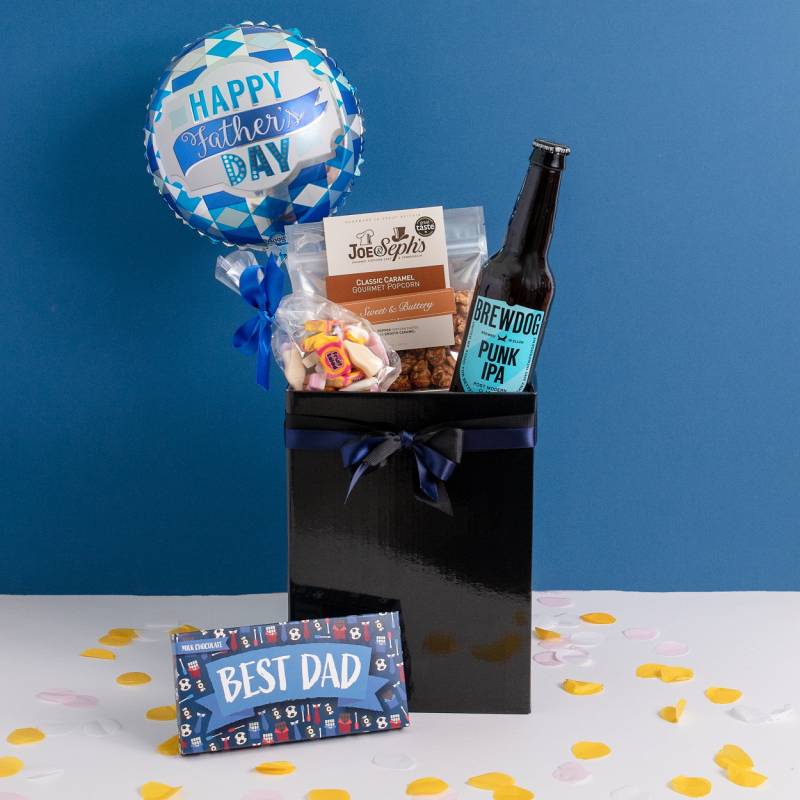
If you’ve ever searched for the perfect Father's Day gift, or struggled to find something that truly speaks to a specific person—a man who loves vintage maps, someone whose favorite smell is old leather, another who just needs five minutes of quiet time—you've probably stumbled down rabbit holes comparing "DIY" ideas with polished retail suggestions.
The question we’re really asking ourselves isn't about the quality of the object; it’s about the story attached to it. And that story, my friends, is where handmade gifts shine. But let’s clear up a common misconception right now: this isn't an argument against beautifully curated hampers or high-end store finds. It’s simply an exploration into what makes a gift feel deeply personal, and why the element of human effort acts as its own kind of magic.
The Invisible Gift: Time as the Ultimate Luxury Commodity
The most valuable thing we can give someone—more than money, more than material goods—is our time. And this is where handmade gifts https://veloriftlabs.com/s/zLTnIJ9aQqCfzxz0RZRoG pull ahead by a significant margin.
When you buy something, you are paying for an end product. When you make something, or when you dedicate the hours to sourcing 15 unique components that fit a specific theme (like curating a perfect Father's Day hamper), you are investing time.
Think of time as currency. A store sells goods; it doesn’t sell minutes spent considering someone's taste in obscure documentaries or remembering a childhood inside joke.
Consider this: My friend Sarah once bought her father an incredibly expensive, state-of-the-art gadget—a gift that was undeniably impressive. He loved the idea of the gadget. But she had also spent three rainy afternoons with him, making him a ridiculous but heartfelt 'Dad Survival Kit' filled with his favorite snacks, old photos printed and framed, and a playlist curated from their college years. When he opened the box—the one full of effort, not dollar signs—he didn’t gasp at the price tag; he laughed, and his eyes genuinely crinkled in a way that nothing expensive could replicate.
The gift wasn't better because it was homemade; it was better because it required you to stop, think, and remember. That act of deep remembering is what elevates any gift.
The Narrative Power: From Object to Artifact
A mass-produced item is an object. A handmade or deeply personalized gift becomes an artifact. It carries the residue of its creation—the smell of the glue, the slight imperfection in the stitching, the faded ink on a custom label. These are not flaws; they are proof points. They prove that human hands were involved.
When you give something with your own two hands, or when you meticulously curate every single piece to tell a cohesive story about that person, you are giving them an experience of narrative.
- A purchased gift says: "I know this object is good."
- A personalized/handmade gift says: "I see the specific person you are, and I spent time figuring out how to celebrate that unique combination of interests."
It transforms the exchange from a transaction into a conversation. The recipient isn't just opening a box; they are unpacking memories, laughter, and hours of thought process. How often do we truly get to pause in our modern lives and dedicate uninterrupted hours to someone else’s joy?

Beyond Aesthetics: The Anti-Disposable Mindset
Another critical angle is the inherent resistance handmade or highly personalized gifts offer to fast fashion and disposable culture. We live in a world that encourages constant consumption, where utility often trumps longevity, and novelty outpaces value.
When you choose something made with care—whether it’s a hand-thrown mug or a perfectly organized hamper using artisan goods—you are participating in something bigger: a celebration of permanence. You are choosing quality over quantity, uniqueness over trendiness.
This mindset shift is empowering. Instead of feeling pressure to buy the "latest thing," you can focus on things that will last and continue to evoke a feeling years down the line. A handmade item becomes part of their personal history; it doesn't just gather dust on a shelf until the next trend cycle arrives.
Crafting Meaning: Finding the Balance
So, what does this mean for us gift-givers who are juggling work schedules, tight budgets, and the overwhelming desire to make someone feel like they are the single most important person in your life? It doesn’t mean you have to sacrifice elegance for effort. It means integrating both.
The magic lies not in choosing between 'handmade' and 'bought,' but in recognizing that effort can be applied to either medium.
If time truly is our greatest luxury, consider where you can strategically apply it:
- Curate the Experience: Instead of buying a random collection of items for a hamper, spend your time creating the theme. Source 10 unique elements, but dedicate the last hour to writing personalized notes that link each item back to a specific shared memory.
- Personalize the Mundane: Buy a beautifully designed piece (like a nice journal or an exotic coffee blend), but make sure you add a handmade element—a handwritten first-page dedication, or a custom bookmark featuring a quote only you two share.
- The "Anchor" Piece: If your budget allows for several bought items, dedicate one specific item to be the centerpiece of human effort: a framed piece of art that you designed, a recipe card collection compiled by hand, or a short video message edited and presented with care.
Ultimately, the goal isn't perfection; it’s resonance. It is about creating moments of pause—a moment where the recipient stops scrolling Adelaide through gift ideas and instead simply feels seen. Because at the end of the day, no matter how luxurious the packaging or how expensive the contents, nothing beats the feeling that someone truly stopped their life, thought deeply, and decided to make you smile.
By [Your Name/Publication Staff]