Decoding Luxury: Why Do Gourmet Hampers Always Feel Premium?
Have you ever opened a beautiful, perfectly curated hamper and been instantly transported to a state of cozy, appreciative bliss? It’s more than just a collection of snacks or goods; it feels like an event. This universal reaction leads many people to wonder, "why do gourmet hampers always feel premium?" Is it the cost of the items, the beautiful ribbon, or something deeper about how these gifts are presented? The answer is complex, blending psychology, masterful marketing, and a deep understanding of human emotion.
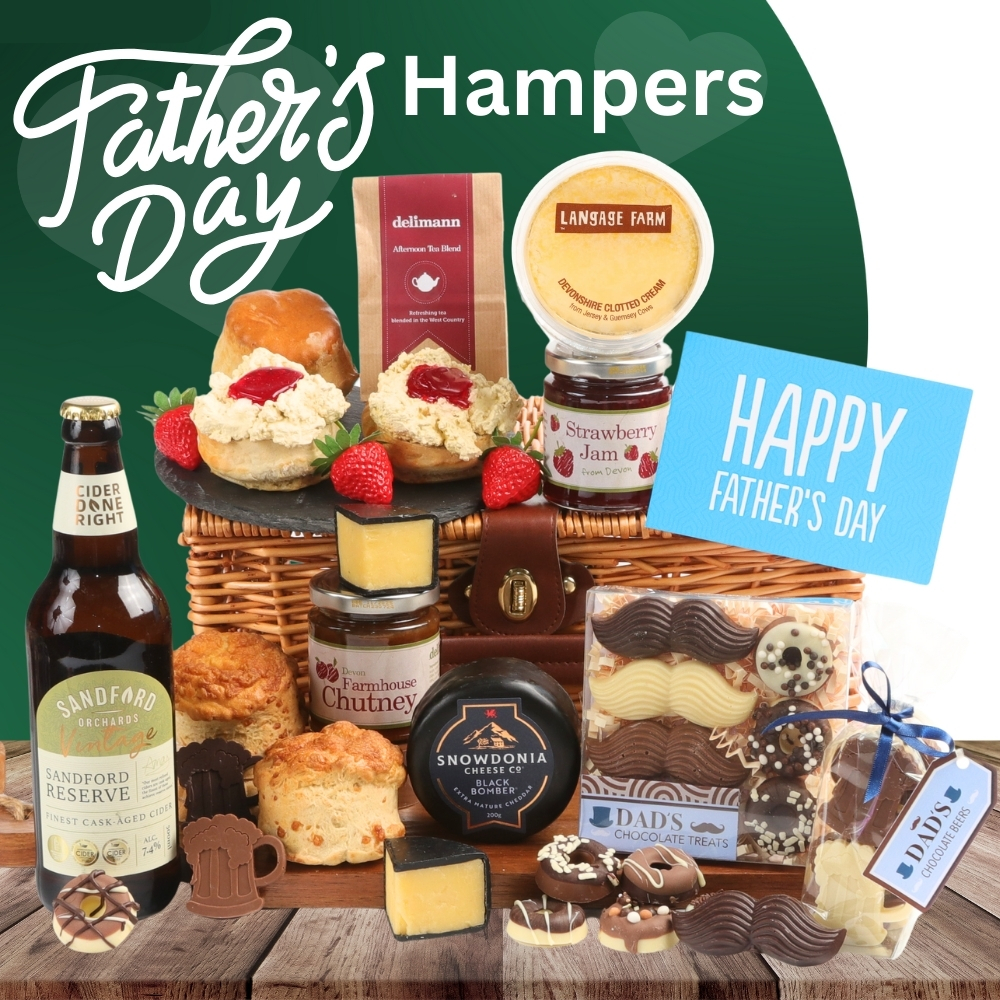
The short version is that a hamper rarely sells just its contents; it sells an experience. It packages utility into narrative, turning mere objects into moments of delight. Understanding this process helps you not only appreciate the magic but also create genuinely luxurious gifts yourself.
The Art of Presentation: Why Aesthetics Matter More Than Inventory
When we talk about premium goods, our eyes are often drawn to them first. A hamper’s initial impact is dominated by its presentation—the wrapping, the basket itself, and the overall visual harmony. This isn't mere decoration; it's a foundational pillar of perceived value.
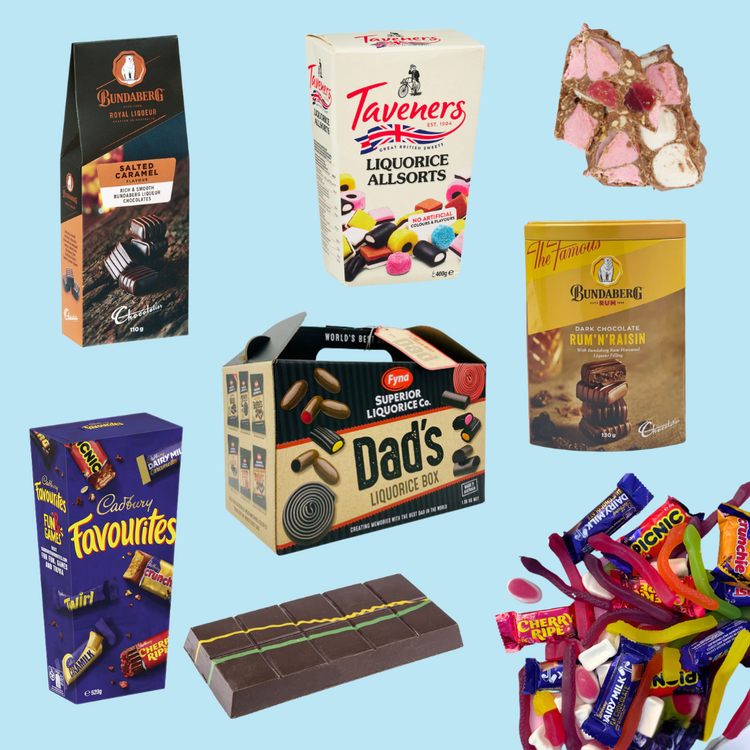
The moment you receive something packaged beautifully, your brain immediately elevates its status. The process of opening it becomes part of the gift, creating what is known as the unboxing experience. Think of it like this: if the outer packaging feels cheap or hastily put together, the items inside will struggle to maintain that illusion of luxury, no matter how expensive they are individually.
A true premium hamper understands visual rhythm. They balance textures—the rough weave of wicker against the smooth sheen of chocolate foil—and colors. It’s an orchestrated symphony for the eyes. This attention to detail is what makes us feel like we've received something special, even before we taste a single thing.
Curating the Narrative: From Goods to Global Experiences
The second secret behind the premium feeling lies in curation and storytelling. A mediocre gift basket simply collects random items; a gourmet hamper tells a story.
Consider an artisan jam paired with local honey and a selection of regional cheeses. These aren't just ingredients thrown together—they represent a journey from different geographical points, all brought together for one perfect afternoon. The brand isn't selling 'jam'; it's selling the taste of Provence.
This Personalised Whiskey Glass storytelling is crucial because it anchors the gift in cultural value. It transforms the transaction into an educational or emotional moment. For example, if a supplier includes a small card detailing the history of a particular tea blend, suddenly that cup of tea feels immensely valuable. This careful narrative crafting addresses the core question: why do gourmet hampers always feel premium? Because they connect tangible goods to intangible feelings like nostalgia and adventure.
One renowned luxury brand once told me about their approach: "We don't select ingredients; we curate memories." That quote perfectly encapsulates how elevated gifting operates. Are we simply buying food, or are we buying the promise of a perfect Sunday morning with loved ones? The answer is clear.
The Psychology of Variety and Discovery
The inclusion of varied items also plays a key role. A single type of chocolate bar feels predictable; a mix of dark Peruvian cacao, creamy Irish caramel, and spicy chili-infused truffles offers discovery. The variety makes the recipient feel like they are on a delightful scavenger hunt for flavor. This spread of tastes keeps the gift interesting from the first bite to the last crumb.
Elevating Gifting: Mastering the Details That Define Luxury
To truly capture that premium feeling, you must master three Great post to read core elements: quality sourcing, thoughtful pairing, and impeccable execution. These are the pillars upon which great gifting stands.
When selecting items, always prioritize provenance. Knowing where something came from—whether it's coffee roasted in a specific micro-lot or olive oil pressed by hand—adds immediate weight and credibility to the gift. It signals that effort was put into vetting every single component.
Furthermore, think about pairing, not just collection. Gourmet items are designed to complement one another. The sweet acidity of cranberry chutney elevates the richness of aged cheddar; the spice in a smoked paprika pairs perfectly with creamy goat cheese. These thoughtful pairings make the hamper feel less like a shopping spree and more like a carefully constructed tasting menu.
If you want your own gifts to convey that same level of sophistication, start by asking yourself: What story do I want this gift to tell? Do I want it to say, "Relax"? Or does it need to whisper, "You are embarking on a culinary adventure"?
Designing Your Own Signature Luxury Gift Collection
Recognizing the psychology behind premium gifting empowers you. You no longer just buy hampers; you become a curator of moments. The goal is always to give something that feels disproportionately valuable compared to its cost, creating that 'wow' factor.
To achieve this elevated effect in your own gift selections, focus on these actionable steps:
- Mix the Sensory: Include items that appeal to multiple senses—the visual beauty of the packaging, the aroma of scented candles, and the taste of gourmet treats.
- The Rule of Three: Don't overwhelm, but don't under-deliver either. Selecting three distinct categories (e.g., savory, sweet, beverage) ensures a balanced experience.
- The Personalized Touch: A handwritten note referencing an inside joke or a specific memory makes the entire collection feel bespoke, elevating it far above generic luxury items.
By understanding that why do gourmet hampers always feel premium? is rooted in narrative and careful sensory management, you can move beyond simply buying gifts and start gifting genuine experiences. Start by observing what people react to—is it the color, the scent, or the story? That observation will be your greatest guide.